
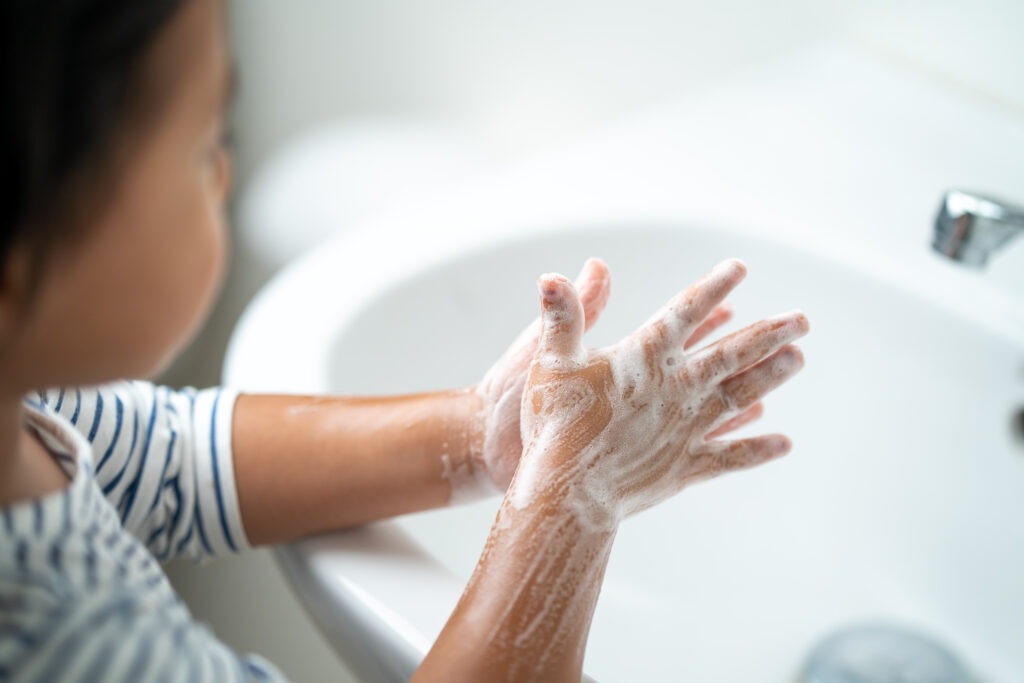
A comprehensive guide to communicable illness prevention
Winter is a season filled with excitement—holiday celebrations, cozy routines, and extra indoor time—but it’s also the time of year when communicable illnesses tend to circulate more heavily in child care centers, preschools, and daycares.
Families often ask the same important questions:
- Why does everyone seem sick right now?
- What illnesses are going around in child care?
- What can I do at home to help?
- How does a preschool or daycare actually reduce illness spread?
This guide is designed to answer those questions in a clear, parent-friendly way, while also serving as a year-round resource you can return to whenever illness concerns arise.
Why Illness Spreads More Easily in Child Care During Winter
Illness spreads more easily in child care and preschool environments, especially in the winter, for a few key reasons:
- Children spend more time indoors, closer together
- Windows are often closed, reducing ventilation
- Cold, dry air allows some viruses to survive longer
- Young children are still learning hygiene skills
- Shared toys and learning materials are part of daily play
According to the Ohio Department of Health, respiratory illnesses and stomach viruses tend to peak during colder months, particularly in group care settings.
👉 Ohio Department of Health – Communicable Disease Information
👉 Centers for Disease Control and Prevention (CDC) – Child Care & Early Education Guidance
Common Communicable Illnesses in Preschools and Daycares
In child care centers and preschools, it’s common to see seasonal patterns. Some of the most frequent illnesses include:
- Common colds
- Influenza (flu)
- RSV, especially in infants and toddlers
- Stomach viruses (vomiting and diarrhea)
- Strep throat
- Pink eye
- Hand, foot, and mouth disease
These illnesses are typically spread through:
- Respiratory droplets (coughing, sneezing)
- Direct contact (hands, shared toys)
- Contaminated surfaces (tables, doorknobs, learning materials)
This is why consistent hygiene routines in child care centers and daycares are so important.
How Child Care Centers Help Reduce the Spread of Illness


High-quality child care centers and preschools follow strict daily practices to reduce illness spread. These often include:
- Frequent cleaning and disinfecting of toys and surfaces
- Scheduled handwashing times throughout the day
- Health screenings and symptom monitoring
- Clear illness and exclusion policies
- Staff training in health and safety best practices
- Teaching children age-appropriate hygiene habits
At Kids At Heart, these practices are part of our daily routine—not just during winter, but year-round.
👉 Health & Safety Practices at Kids At Heart (Family Handbook)
What Parents Can Do to Support a Healthy Child Care Environment
Child care health works best when families and centers work together. Here’s how parents can make a real impact.
1. Keep Sick Children Home from Child Care
While it’s never easy, keeping a sick child home is one of the most effective ways to reduce illness spread in preschools and daycares.
Children should stay home if they have:
- Fever
- Vomiting or diarrhea
- Severe cough or difficulty breathing
- Signs of contagious illness
- Unusual fatigue or discomfort
Returning too soon often leads to longer outbreaks in child care classrooms.
2. Reinforce Handwashing at Home

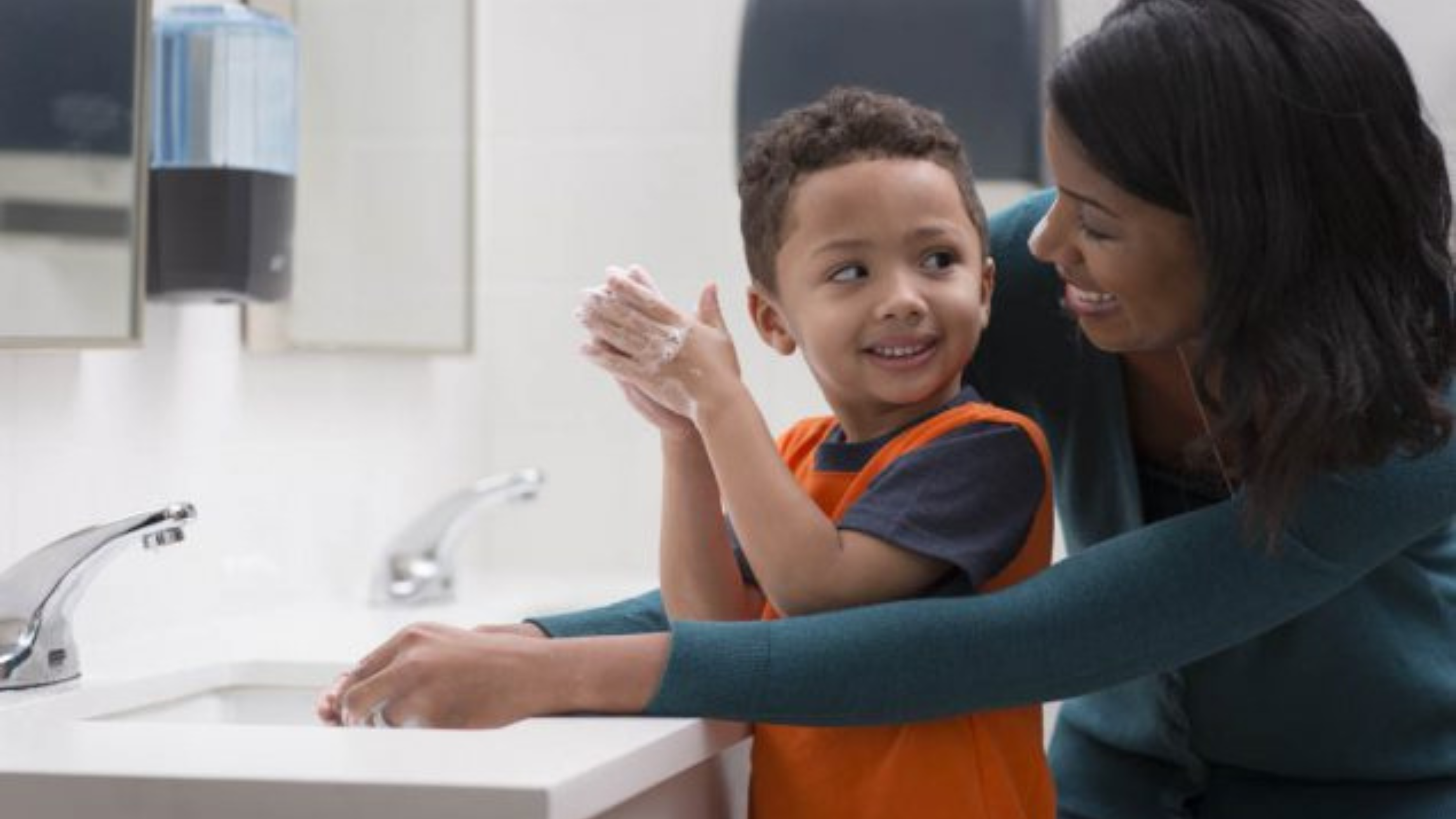

Handwashing is one of the most effective disease-prevention tools in child care and preschool settings.
Encourage handwashing:
- Before meals and snacks
- After bathroom use
- After coughing or sneezing
- After outdoor play
- When arriving home
According to the CDC, proper handwashing significantly reduces the spread of respiratory and gastrointestinal illnesses.
3. Teach Children to Cover Coughs and Sneezes
Young children are still learning body awareness. Gentle reminders help build lifelong habits.
Encourage children to:
- Cough or sneeze into their elbow
- Use tissues when possible
- Wash hands afterward
Consistency—rather than perfection—is key.
4. Clean High-Touch Items at Home
Illness prevention doesn’t stop at the daycare door.
Regularly clean:
- Toys
- Tablets and electronics
- Water bottles and lunch containers
- Bathroom surfaces
- Door handles and light switches
The American Academy of Pediatrics recommends routine cleaning of shared items during illness seasons.
5. Support Immune Health with Sleep and Nutrition
Healthy routines strengthen immune systems.
Parents can help by:
- Maintaining consistent bedtimes
- Offering balanced meals with fruits and vegetables
- Encouraging hydration
- Limiting sugary drinks
Well-rested children are better able to fight off common daycare and preschool illnesses.
Why Illness Policies Matter in Child Care and Preschool
Illness policies aren’t meant to be punitive—they’re protective.
Clear child care illness policies:
- Reduce the spread of communicable disease
- Protect vulnerable children
- Support staff health
- Keep classrooms open and stable
Following these policies helps create healthier child care environments for everyone.
When to Contact Your Child’s Pediatrician
You should consider reaching out to your child’s healthcare provider if:
- Fever lasts more than 24–48 hours
- Symptoms worsen instead of improve
- Breathing appears labored
- Your child seems unusually lethargic
- You’re unsure—calling is always okay
Trust your instincts.
Teaching Children About Germs Without Fear
It’s important that children don’t become anxious about germs.
Instead, child care centers and families should focus on:
- Empowerment through routines
- Calm, age-appropriate explanations
- Modeling healthy habits
- Positive reinforcement
Hygiene is framed as caring for ourselves and others—not something scary.
A Year-Round Commitment to Health in Child Care
While winter often brings increased illness, these habits matter all year long in child care centers, preschools, and daycares.
The most successful environments are built on:
- Open communication between families and staff
- Consistent routines
- Shared responsibility
- Understanding that illness happens—and grace matters
At Kids At Heart, creating a healthy environment is part of our mission to support the whole child.
👉 Kids At Heart Preschool & Child Care Center – Cortland
👉 Kids At Heart Preschool & Child Care Center – Fairlawn
Final Thoughts
No child care center, preschool, or daycare can prevent every illness—but together, we can reduce spread, shorten outbreaks, and support healthier classrooms.
Thank you for partnering with us to keep our child care community safe, healthy, and thriving.